
Difference Between Leather and Synthetic — A Complete Guide by Letoro Shoes
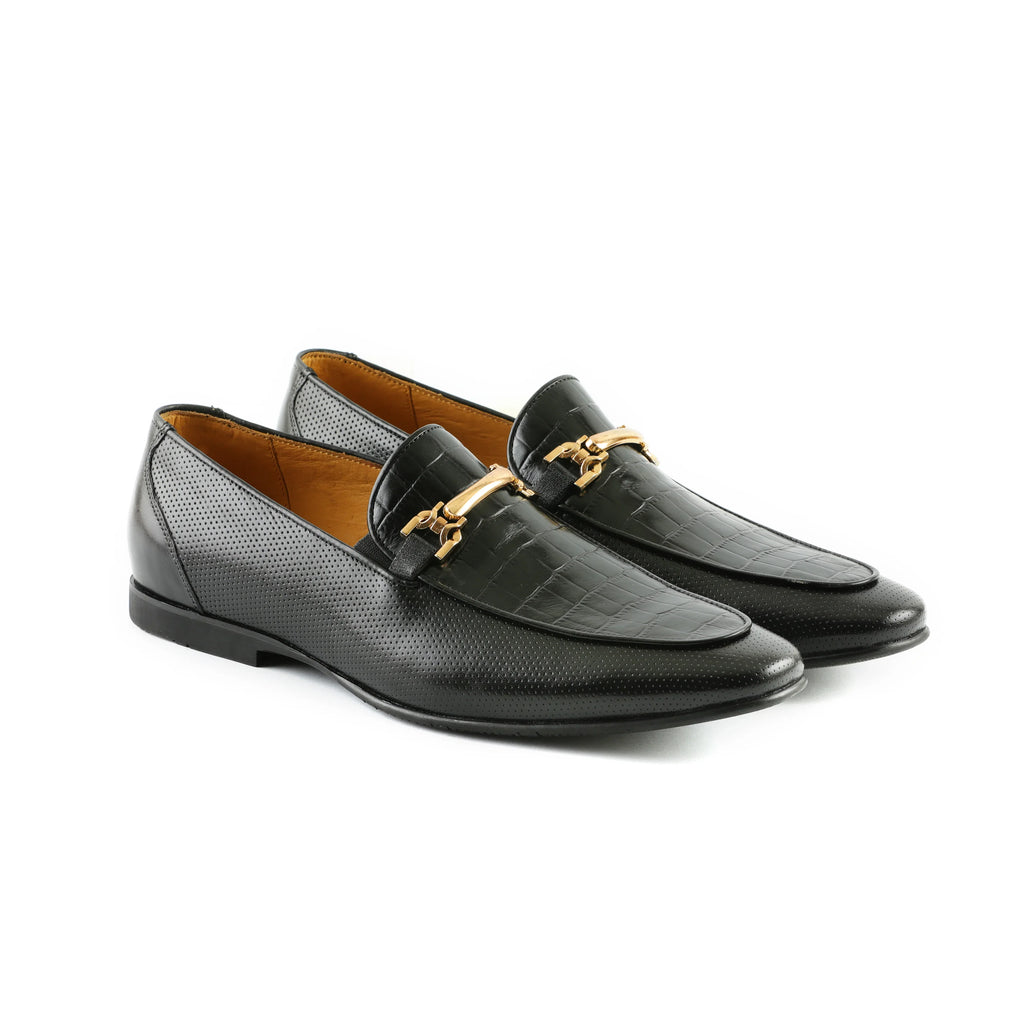
Choosing between leather and synthetic shoes can be confusing, especially when both look similar at first glance. But the truth is, the quality, comfort, durability, and overall value are completely different. As a brand that proudly crafts handmade leather shoes, Letoro Shoes believes customers should know exactly what they’re buying—and why leather stands above synthetic materials every time.
Why This Comparison Matters
Your shoes aren’t just footwear—they're an investment. Understanding the difference helps you choose the right pair based on your needs, comfort, and long-term value.
The Role of Handmade Craftsmanship at Letoro Shoes
At Letoro Shoes, every pair is shaped, stitched, and finished by hand. That means more durability, better comfort, and a premium feel you simply can’t get from factory-made synthetic shoes.
 What Is Real Leather?
Definition
Real leather is a natural material crafted from genuine animal hide. It’s strong, breathable, flexible, and ages beautifully.
How Leather Is Made
The hide goes through a tanning process that strengthens it and makes it suitable for long-term use. Good quality tanned leather can last for years with proper care.
Types of Leather Used in Premium Shoes
-
Full-grain leather
-
Top-grain leather
-
Genuine leather
-
Suede / Nubuck
Why Letoro Shoes Uses Full-Grain Leather
Full-grain is the highest quality leather. It’s durable, breathable, and develops a natural shine and patina over time. This is what gives Letoro Shoes their classic, premium feel.
What Is Synthetic Leather?
Definition
Synthetic leather—also called faux leather—is an artificial material made using chemicals, plastic, and fabric coating.
How Synthetic Leather Is Produced
It is created by bonding plastic (usually PU or PVC) to a fabric base to imitate the look of leather.
Common Types of Synthetics
-
PU (Polyurethane)
-
PVC (Polyvinyl Chloride)
-
Faux leather
-
Artificial leather blends
Key Differences Between Leather and Synthetic
1. Durability
Leather can last 5–10 years or more.
Synthetic usually lasts 6–12 months before cracking.
2. Comfort & Breathability
Leather adapts to your foot shape and allows airflow.
Synthetic traps heat—leading to sweat and odor.
3. Aging & Patina
Leather becomes more beautiful over time.
Synthetic looks old, cracks, and peels.
4. Water Resistance
Leather can resist water after polishing.
Synthetic is waterproof but weak in long-term durability.
5. Smell & Feel
Leather smells natural and feels warm.
Synthetic often smells like chemicals or plastic.
6. Maintenance
Leather needs basic care.
Synthetic needs no care but also doesn’t last.
7. Price Comparison
Leather costs more initially but is cheaper long-term.
Synthetic is cheap but needs frequent replacement.
Why Leather Shoes Are Worth the Investment
Long-Term Value
A good leather shoe outlasts multiple synthetic pairs.
Natural Comfort
Leather molds to your feet, making every step easier.
Premium Aesthetic
The shine, texture, and natural feel are unmatched.
Eco-Friendlier Than You Think
Quality leather is a by-product of the food industry—not harmful plastics.
Disadvantages of Synthetic Shoes
Poor Ventilation
Leads to sweating and odor.
Short Lifespan
Cracks easily and doesn’t handle stress well.
Unnatural Look
Shiny and plastic-like, lacking elegance.
Environmental Impact
Made with plastics and chemicals that harm the environment.
 Why Handmade Leather Shoes Stand Out
Precision Crafting
Every stitch is placed with skill—not glue guns.
Custom Fit
Handmade shoes offer improved comfort and support.
Stronger Construction
Hand-stitched soles last longer than mass-produced glued shoes.
How Letoro Shoes Ensures Premium Quality
-
Strict material selection
-
Skilled artisans
-
Fine finishing
-
Long-term comfort testing
How to Identify Real Leather vs Synthetic
Texture Test
Leather has natural grain; synthetic is too smooth.
Smell Test
Leather has a warm, earthy smell; synthetic has a chemical odor.
Water Absorption Test
Leather absorbs a drop of water. Synthetic repels it.
Flexibility Test
Leather bends softly; synthetic creases sharply.
When Should You Choose Leather?
Daily Wear
Strong enough for everyday use.
Formal Events
Classy, premium, and long-lasting.
Long-Term Use
Perfect for those who hate replacing shoes every few months.
When Should You Choose Synthetic?
Budget Limitations
If you just need a temporary option.
Temporary or Occasional Use
Good for short-term or fashion-only needs.
Letoro Shoes — Our Leather Standard
Handcrafted Designs
Every pair reflects passion and craftsmanship.
Ethical Leather Sourcing
We use responsibly tanned, quality leather.
Long-Lasting Comfort
Created to support your feet all day long.
Conclusion
Leather and synthetic may look similar, but the difference becomes clear the moment you wear them. Leather offers durability, comfort, breathability, and long-term value—especially when handcrafted by artisans like those at Letoro Shoes. Synthetic leather may be cheaper, but it can’t match the feel, strength, or elegance of real leather.
If you want shoes that last, feel premium, and age beautifully, handmade leather shoes from Letoro Shoes are the perfect choice.
FAQs
1. Is synthetic leather durable?
No. It usually cracks within months, especially with daily use.
2. How long do real leather shoes last?
With care, real leather shoes can last 5 to 10 years.
3. Why are handmade leather shoes more expensive?
Because they use premium materials, craftsmanship, and take more time to create.
4. Does synthetic leather cause foot sweating?
Yes. It traps heat and offers no breathability.
5. How do I maintain real leather shoes?
Polish regularly, keep them dry, and use a shoe tree for shape.
