How to Identify Real Leather Shoes: A Simple Guide for Buyers
Why Knowing Genuine Leather Matters
If you are searching for how to identify genuine leather shoes, this guide If you are searching for how to identify genuine leather shoes, this guide explains the practical signs to look for before buying your next pair. From examining the leather grain to checking the shoe's construction, you will learn what matters when choosing quality footwear.
At LE TORO SHOES, we believe that informed customers make better footwear choices. Our focus is on leather materials, refined designs, careful finishing, and footwear suited to different occasions, from formal meetings to everyday office wear.
1. Examine the Natural Leather Grain
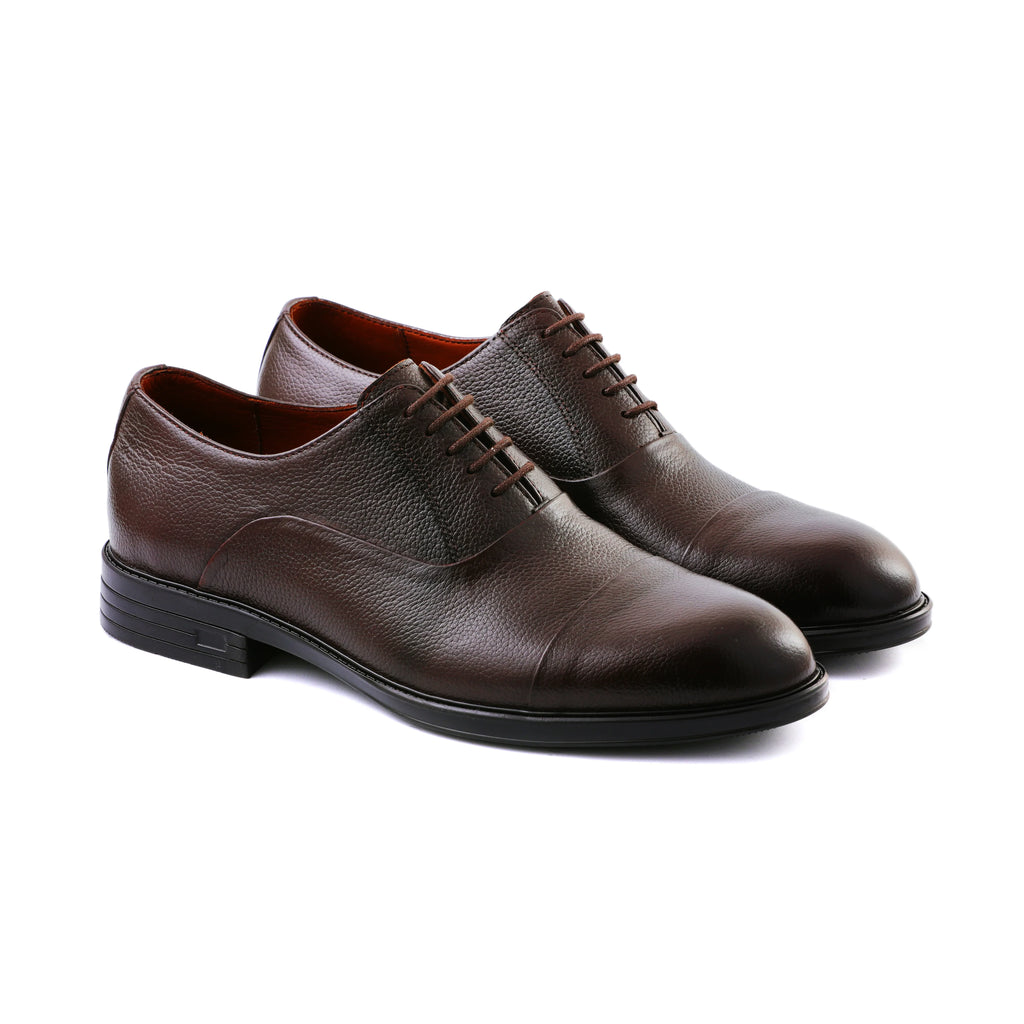
One of the first things to examine when buying genuine leather shoes is the surface texture.
Natural leather often displays subtle variations in grain, pores, and markings. These differences occur because animal hides have natural characteristics. By comparison, synthetic leather may feature a more repetitive, embossed pattern.
However, appearance alone cannot confirm whether a shoe is made from genuine leather. Some synthetic materials are manufactured with highly realistic textures, while corrected-grain natural leather can have a very uniform surface.
What to check:
- Look closely at the leather grain under good lighting.
- Notice whether the texture has natural variations.
- Examine the surface for signs of peeling, cracking, or poor finishing.
- Ask the seller which type of leather is used in the shoe's upper.
A natural-looking grain can be a useful clue, but reliable product information and transparent material descriptions are equally important.
2. Check the Edges and Cut Sections
The edges of leather materials can sometimes reveal useful information about their construction.
When a genuine leather piece is cut, its cross-section may show a fibrous structure. Synthetic leather often consists of a surface coating attached to a fabric or other backing material. Although synthetic materials have improved significantly, identifying them can still be challenging because shoe edges are often coated, sealed, or folded during manufacturing.
When examining leather shoes, pay attention to:
- The edges around the upper material.
- The finishing near seams and decorative panels.
- Any visible material along the insole or inner lining of the shoe.
- The overall quality of the stitching and assembly.
Well-finished edges indicate attention to detail, but they do not independently prove that the shoe uses genuine leather.
For a more confident decision, check the manufacturer's material specifications and ask questions if the description is unclear.
3. Understand the Difference Between Genuine Leather and Synthetic Leather
Knowing the basic differences between natural and synthetic leather can help you compare footwear more effectively.
Genuine Leather
Natural animal hide processed for use in footwear. Its grain and surface may show natural variation. Performance depends on leather grade, tanning, construction, and care.
Synthetic Leather
A manufactured material designed to imitate leather. It can offer consistent patterns and different price points, but its breathability, flexibility, and durability vary by material and construction.
Neither appearance nor price alone is enough to identify the material. While certain synthetic shoes may be costly, many genuine leather options are available at affordable prices. Always consider the stated material, construction quality, and the seller's credibility.
4. Avoid Depending Solely on Smell to Identify Genuine Leather
Many buyers believe genuine leather always has a distinctive smell. Although natural leather can have a characteristic scent, this method is not reliable on its own.
Leather treatments, dyes, adhesives, storage conditions, and finishing products can change its smell. Synthetic materials can also be manufactured with scents that resemble leather.
Instead of relying on smell, consider several factors together:
- Material information provided by the manufacturer.
- Surface texture and visible construction.
- Quality of the stitching and finishing.
- Details about the upper, lining, and sole.
- The seller's reputation and willingness to answer questions.
Avoid using flames, harsh chemicals, or other destructive tests to identify leather. These methods can damage your shoes and may create safety risks.
5. Examine the Shoe's Flexibility and Feel
Flexibility can provide useful information about the feel of a shoe, but it is not definitive proof of genuine leather.
Natural leather can vary in softness depending on its thickness, grade, treatment, and construction. Some leather shoes feel firm when new, while certain synthetic materials are also flexible.
When testing the fit of leather footwear, keep these important points in mind:
Upper flexibility: The upper should suit the intended design and should not feel uncomfortably rigid or poorly constructed.
Fit around the toes: Your toes should have appropriate room without excessive pressure.
Heel stability: The heel should fit securely without repeated slipping.
Walking comfort: Walk a few steps and notice whether the shoe feels stable and comfortable.
Overall construction: Check whether the shoe maintains its shape and whether its components appear securely assembled.
Remember that comfort is not determined by leather alone. Shoe shape, sizing, foot structure, cushioning, and sole design also matter.
6. Check the Inside Lining
The inside of a shoe deserves as much attention as its exterior. A product may feature a leather upper but use a different material for its lining, so buyers should check both specifications.
For example, LE TORO SHOES offers designs featuring an original cow leather upper and goat leather lining, along with a premium rubber sole, according to the product specifications for the relevant designs.
Goat leather lining is a material choice for the shoe's interior. The shoe’s comfort, durability, and appearance are influenced by the leather grade, surface treatment, construction methods, and overall fit.
Before purchasing, check:
- Whether the lining material is clearly stated.
- Whether the interior feels smooth and properly finished.
- Whether seams or rough edges create pressure points.
- Whether the lining is suitable for your intended use.
A properly selected lining can contribute to a pleasant wearing experience, but it does not guarantee that every shoe will fit every foot comfortably.
7. Inspect the Sole and Overall Construction
The sole is another important part of a quality leather shoe. Even if the upper is made from natural leather, the shoe's performance also depends on its sole material and how the components are assembled.
Different sole materials offer different benefits.
- Rubber soles: Often chosen for grip, flexibility, and everyday practicality. Actual traction depends on the rubber compound and tread pattern.
- Leather soles: Commonly associated with traditional dress shoes and a refined appearance. Their grip and water resistance vary with construction and finishing.
- Synthetic soles: Available in a wide range of weights, flexibility levels, and price points.
When checking a shoe's construction, examine the connection between the upper and sole, the consistency of the stitching, and the quality of the finishing.
For buyers who want a combination of leather styling and everyday practicality, a shoe featuring a cow leather upper, goat leather lining, and a rubber sole may be worth considering.
LE TORO SHOES focuses on these material combinations in its relevant designs, bringing together classic leather styling and practical footwear construction.
8. Look Beyond the Price Tag
Price can influence a purchasing decision, but it is not a reliable way to determine whether a shoe uses genuine leather.
The final price may reflect several factors, including:
- Leather type and grade.
- Material used for the lining.
- Sole material and construction method.
- Design complexity and finishing.
- Manufacturing costs and brand positioning.
A high price does not automatically prove superior quality, and a lower price does not automatically mean that a product is synthetic.
Instead, compare the actual materials, product details, construction, sizing information, and after-sales policies before making your decision.
When shopping online, choose brands that provide clear descriptions and are willing to explain what materials are used in each part of the shoe.
9. Choose the Right Genuine Leather Shoes for Your Needs
The best leather shoes are not necessarily the most expensive or the most fashionable. They are the shoes that suit your lifestyle, wardrobe, and intended use.
Formal Leather Shoes
Oxford and Derby styles are suitable options for business meetings, formal occasions, and professional outfits. Black and dark brown are versatile colour choices.
Office Wear Shoes
Leather loafers and understated lace-up shoes can complement office clothing. Prioritize appropriate sizing and comfort if you spend long hours on your feet.
Casual Leather Shoes
Casual leather designs work well with jeans, chinos, and relaxed outfits. Look for a shape, color, and sole that match your everyday routine.
Leather Boots
Chelsea boots and other leather boot styles can add character to smart-casual and seasonal outfits. Check the ankle fit, sole grip, and material specifications.
For buyers in Pakistan, it is also helpful to consider local weather, daily travel, workplace requirements, and how frequently the shoes will be worn.
10. How to Care for Genuine Leather Shoes
Proper care helps maintain the appearance of leather footwear and may extend its useful life.
Follow these simple practices:
1. Clean regularly: Remove dust and dirt with a soft cloth or a suitable leather brush.
2. Use appropriate products: Choose a leather conditioner compatible with the leather's finish.
3. Avoid excessive moisture: If shoes become wet, allow them to dry naturally at room temperature.
4. Keep their shape: Use shoe trees when appropriate, or store shoes in a way that helps prevent creasing.
5. Rotate your footwear: Allow shoes time to air out between wears when possible.
6. Store carefully: Keep shoes in a cool, dry place away from prolonged direct sunlight and excessive heat.
Do not use household cleaners, aggressive solvents, or excessive water unless the manufacturer confirms that they are suitable for the material.
With consistent care, leather shoes can maintain their appearance and remain a useful part of your wardrobe for a long time. How long the shoes last depends on the leather grade, quality of craftsmanship, how often they are worn, and how well they are cared for.
Why Consider LE TORO SHOES for Leather Footwear?
At LE TORO SHOES, we believe that choosing footwear should be an informed decision based on materials, craftsmanship, design, and personal comfort.
Our relevant shoe designs feature material combinations such as:
- Original cow leather upper for a natural leather finish.
- Goat leather lining for the interior.
- Premium rubber sole for everyday practicality.
- Careful finishing to complement the shoe's overall design.
The exact specifications may differ between products, so customers should review the details of their selected design before placing an order.
Whether you are looking for formal shoes, office wear, leather loafers, or a refined everyday style, choosing the right materials and fit can make your footwear purchase more satisfying.
Explore the available designs and find a pair that complements your personal style.
Discover LE TORO SHOES: https://letoroshoes.com/
Frequently Asked Questions
1. How can I identify genuine leather shoes at home?
Start by checking the product label and manufacturer specifications. Examine the surface grain, visible edges, stitching, and construction. These signs can help, but no single visual or physical test conclusively identifies every type of leather.
2. What is the difference between genuine leather and artificial leather?
Real leather is produced by treating and processing animal hides to create a durable material for footwear and other products. Artificial leather is manufactured to imitate leather, commonly using synthetic coatings and backing materials. Their look, quality, and durability depend on the materials selected and the techniques used during production.
3. Do genuine leather shoes always have a natural smell?
No. Natural leather can have a characteristic smell, but tanning, dyes, finishes, and adhesives affect the scent. Relying solely on scent is not an accurate way to determine whether a material is genuine leather.
4. Are genuine leather shoes more comfortable than synthetic shoes?
Not necessarily in every case. Comfort depends on fit, shoe shape, lining, cushioning, construction, and the individual wearer. The quality of both genuine leather and synthetic materials can differ depending on their composition and manufacturing process.
5. Are rubber soles suitable for genuine leather shoes?
Yes. A shoe can have a genuine leather upper and a rubber sole. Rubber soles are often selected for flexibility and practical everyday use, although grip depends on the sole compound and tread design.
6. Is cow leather good for men's formal shoes?
Cow leather is widely used in men's formal footwear because it can provide a suitable combination of structure, appearance, and versatility. The overall quality and durability of a shoe are influenced by the leather type, surface treatment, and construction techniques used.
7. Can genuine leather shoes last for years?
Yes, well-made leather shoes can last for years with appropriate care. However, their lifespan depends on material quality, construction, frequency of use, weather exposure, and maintenance.
8. Where can I buy leather shoes in Pakistan?
You can explore the available men's leather footwear designs at LE TORO SHOES through its official website: https://letoroshoes.com/. Check the specifications, sizing information, and relevant product details before ordering.
Conclusion: Make a More Informed Leather Shoe Purchase
Identifying genuine leather shoes requires more than looking at the surface or relying on price, smell, or flexibility. The most effective approach is to examine several details together, understand the difference between natural and synthetic materials, and verify the manufacturer's product specifications.
Pay attention to the leather upper, lining, sole, stitching, fit, and overall finishing. These factors help you make a more informed choice and select footwear suited to your needs.
At LE TORO SHOES, our goal is to offer thoughtfully designed footwear with clearly stated materials and refined finishing. If you are looking for leather shoes that combine classic style with practical construction, explore our collection and compare the details of each design.
